Curriculum

Warsaw Chopin Piano Academy

Piano lesson curriculum in Mokotów, Warsaw

We teach children and adults at our studio in Warsaw’s Mokotów district, with lessons suited to each student’s experience. From your first piece to more demanding music you hope to play later, we build the skills you need step by step.

Our own curriculum draws on European music education as we experienced it in Poland. All our teachers are active pianists and graduates of the Fryderyk Chopin University of Music in Warsaw.

How we teach at Warsaw Chopin Piano Academy

We combine the step-by-step approach to fundamentals we learnt in Japan, including short games for learning notes and rhythm, with the approach to tone, phrasing and expression we learnt in Europe. Students build their reading skills and piano technique while exploring different ways to express the music of Chopin and other composers. For beginners, we also use our own note-reading and rhythm exercises.

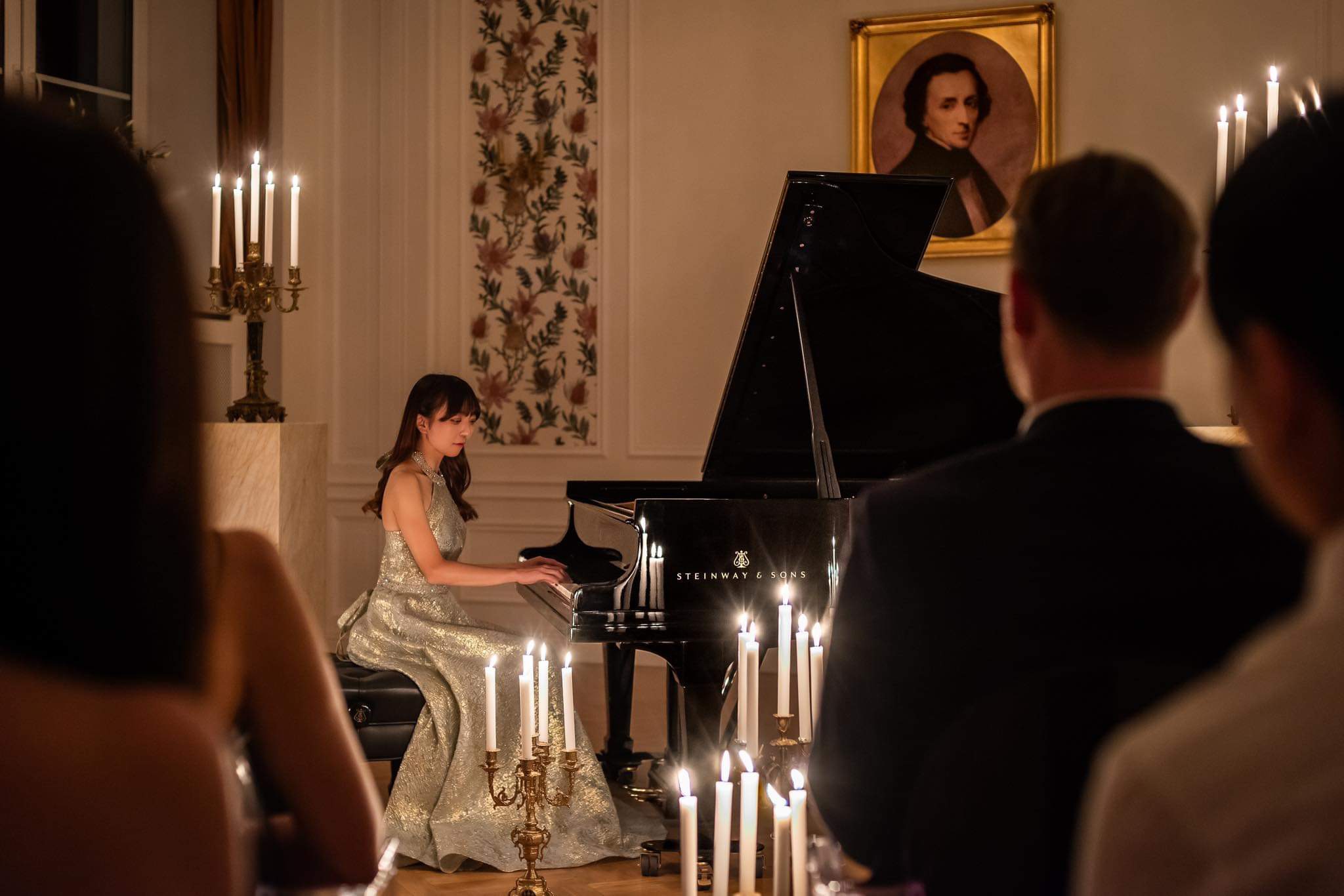
Haruka Matsumoto plays a grand piano in a candlelit recital room
Haruka Matsumoto in recital

For children: from clapping to playing

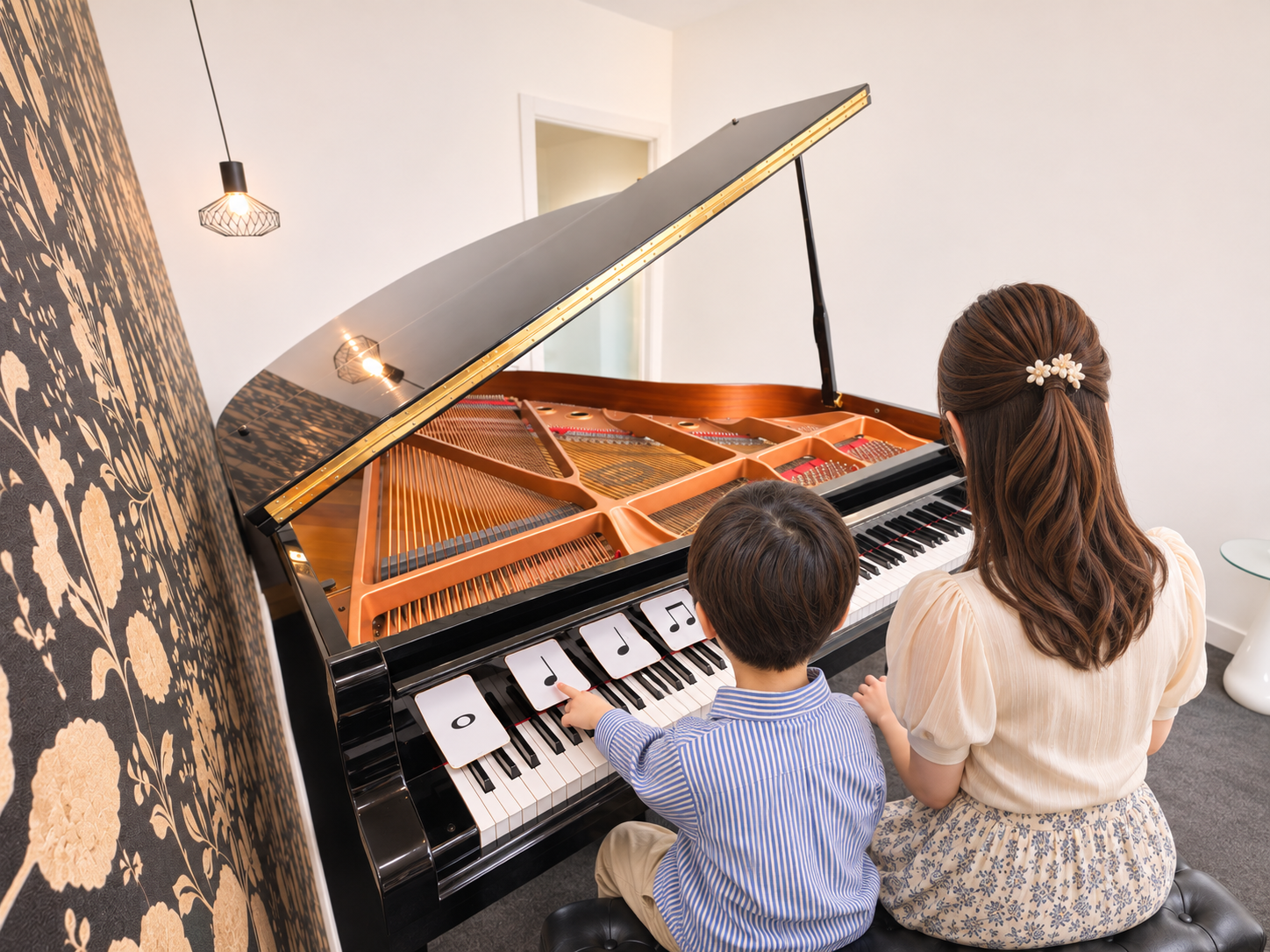
A child taking their first piano lessons might start by copying a rhythm the teacher claps. They find that rhythm in the score and play it on the piano. A short game links what the child hears with what they read and what they play.
For experienced players: bring out the melody

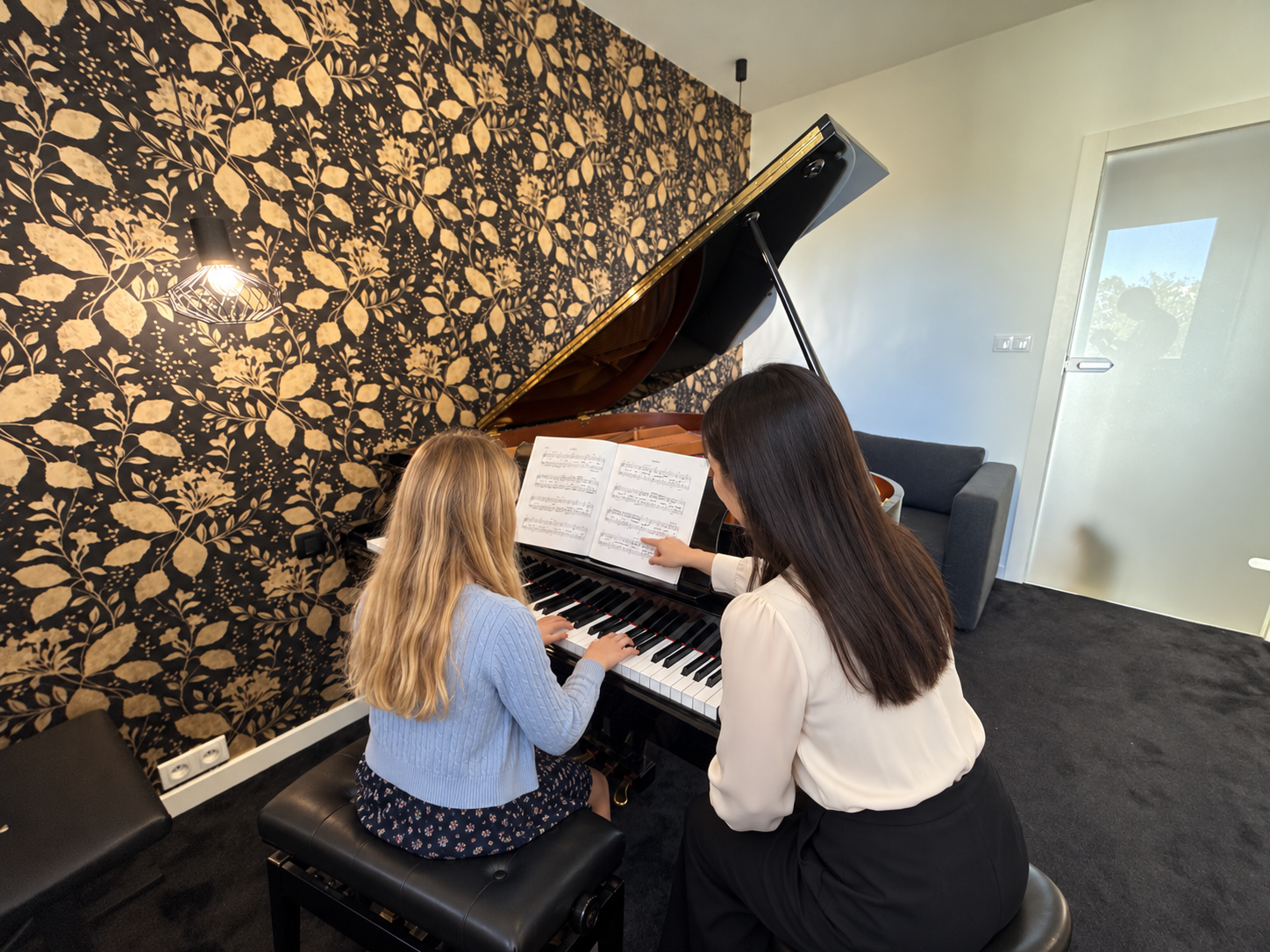
If the melody gets lost in a passage with double notes such as thirds, we first decide which note should come through. Your teacher demonstrates different balances, then you try different fingerings and hand movements. We draw on our stage experience to find a way of playing that suits your hands and the sound you want.

In-person lessons on a grand piano in Mokotów

Listen to your teacher from beside the piano, watch how their hands move, then try it yourself. You can hear straight away how a different touch or a change in pedalling affects the sound of the grand piano.

You do not need to buy materials or prepare a piece for your first lesson. If you would like to work on a piece you already play, bring the score.

What you’ll learn at each level

Beginner

Read notes and rhythms, then play your first piece

Who it’s for
Children and adults taking their first piano lessons, or anyone who wants to start again with reading music.
What you’ll work on
  • Start with note-reading and rhythm exercises. Find the notes from the score on the keyboard, and clap the rhythm to get a feel for note lengths.
  • For children, we use age-appropriate hand games and rhythm imitation. Short exercises help them learn to read more notes at a steady pace.
  • Once you can read some notes, play an easy piece provided by the school. Learn ties, sharps and other symbols as they come up in the music, and try them at the keyboard.
Intermediate

Develop reading and technique through your pieces

Who it’s for
Players who can read basic rhythms and notation and play with both hands. About two to three years of previous lessons is a rough guide.
What you’ll work on
  • Most of the lesson is spent on your pieces. We break difficult passages into manageable sections and listen for details such as the balance between melody and accompaniment.
  • In studio lessons, we can also use quick note-reading flashcards. Rhythm work and ear training can include writing down short melodies or rhythms that you hear.
  • When useful, we include sight-reading, finding your way around the keyboard while keeping your eyes on the score, or finger exercises such as Hanon.
Advanced

Refine repertoire for auditions and performance

Who it’s for
Students preparing for entrance exams at a specialist secondary music school or music university, and players with piano competition experience.
What you’ll work on
  • We concentrate on the repertoire you’re preparing. We consider tone, phrasing, pedalling and the shape of the whole piece, with attention to the composer and the period.
  • You receive specific advice on fingering, touch, and hand and arm movement for the passages you find hardest, such as trills and double notes.
  • Finger exercises are chosen to address a difficulty in the piece. We use our performance experience to help you prepare the work for an audition, competition or recital.

Online piano lessons are also available

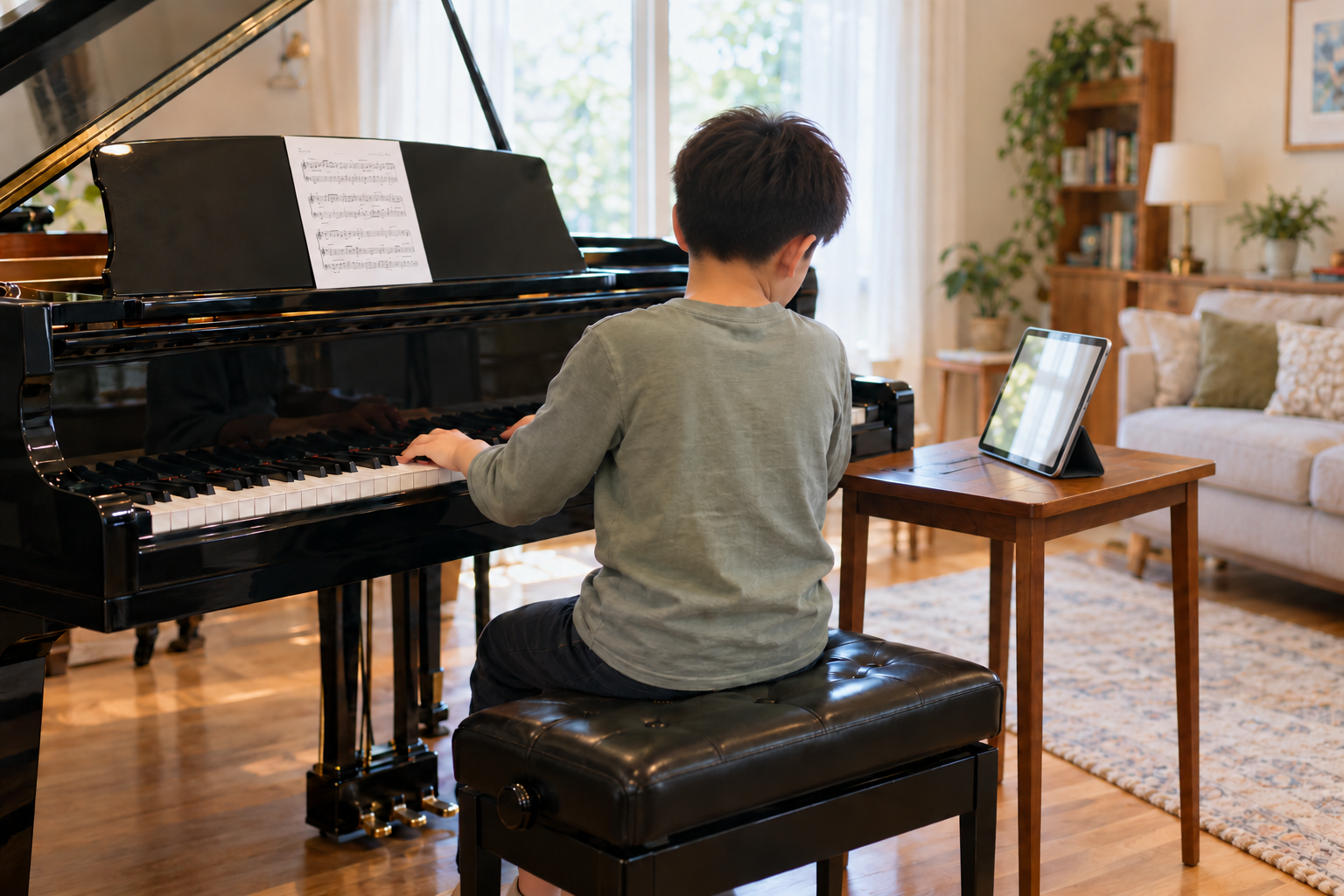
Online lessons normally take place on Google Meet. You’ll need a piano or digital piano and an internet-connected device with a camera and microphone. Tell us your preferred lesson language and times, and we’ll let you know which teacher and times are available.

A student plays the piano with a tablet set up beside them
An online piano lesson from home

Trial lesson

Find the right starting point in a trial lesson

Tell us about your piano experience, what you would like to play and when you are available. If you are enquiring for a child, please include their age. We’ll suggest a teacher and a time.